Sunday, 4 March 2018

The growth of grime and UK rap

Just like their American counterparts, rappers from the UK rap and grime scene have long had an image problem when it comes to their acceptance in the mainstream. Their artistry, being born of articulating the ignored experience of deprived communities, typically makes for a grittier identity than those from other genres. Consequently, for many rappers, that persona is deemed an essential measure of credibility; so much so that many rappers will exaggerate that image when they really aren’t about that life.

Yet when that identity has met the mainstream, it’s traditionally struggled to find itself compatible with a more commercial sphere. The necessary professionalism, etiquette and maturity needed to operate beyond the periphery of the underground has often not been forthcoming from rappers. That’s manifested itself as tardiness when attending professional engagements, a distinct lack of media training (not every sentence needs to be rhetorically punctuated by “you get me?” when you’re on a mainstream platform) and an unawareness of some behaviours and vernacular just not being appropriate for mainstream audiences.
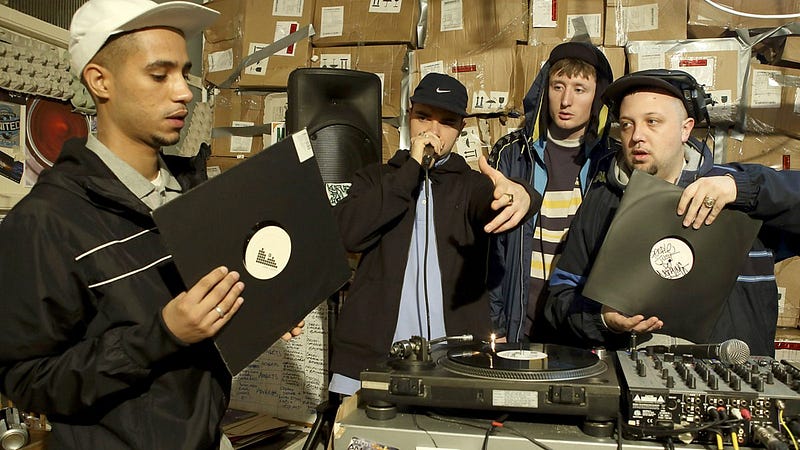
“I’m a big man but I’m not 30… oh, wait…”
Even the ability to show a lighter side hasn’t always been apparent; incredulously, there’s been an underlying view that momentarily losing one’s screwface might actually erode the perception of an artist’s credibility. It was akin to the bashment scene before the likes of Elephant Man injected some of the fun back into the genre with his colourful visuals and acknowledgement of the dancing culture within the genre.
Why so serious?
An inability to separate the road from the radio, incriminating themselves and others with reckless talk, and glamorising rather than articulating tales of the road, was once all too commonplace. Some might say said artists were keeping it real. But from a business perspective, it was keeping it real dumb.

That didn’t help the perception of the culture either. And given most rappers are black or assume the culture of the diaspora, it didn’t help the perception of the black community either (and we’re undoubtedly facing our own image problem without needing the aforementioned to compound it).

However, in recent years there’s been a shift and the scene has found a professionalism and maturity that it lacked for years. That’s provided a conduit for more artists, and the scene overall, into the mainstream and without necessarily needing to compromise with a watered down product. No longer is it mandatory to be tense at all times and even a burgeoning voice of genuine social consciousness has emerged.

It’s hard to pinpoint when or how the change came about. In the era of Chip (when he was still Chipmunk and mentioned in the same breath as Ice Kid), Tinchy Stryder et al entering the scene, major label investment in their media training was very obvious. Nevertheless, let’s not forget Chip came through via Alwayz Recording before signing to a major label. The business savvy of Alwayz Recording in knowing how to play the mainstream game was therefore apparent even before Sony got involved. And it was a similar story for others of that wave.

Tinie Tempah, one of the most commercially successful artists from the scene, quickly gained a reputation in the industry for his professionalism. In Tinie, there was an artist who was from a scene that was rapidly gaining traction and he eschewed the traits that meant the mainstream were still reluctant to engage with the artists who originated from it. He was punctual, articulate and knew how to engage his audience on a respective platform.

Newer and younger artists, who would have once been stuck with a paradigm of ignorance from previous artists, now had an exemplar on how to act accordingly beyond niche success while reaping the benefits of commercial and critical acclaim.

Achieving commercial and critical success has long been considered a challenge, just as the notion of rappers maintaining their credibility while showing a capacity for not taking themselves so seriously has long been elusive and seen as a dichotomy. The belief that these are mutually exclusive has long held back the scene but there’s been a shift in that perception to its betterment.

Giggs, undoubtedly one of the hardest and certified rappers in the scene, carries unquestionable authenticity in his bars. Yet he’s undoubtedly contributed to refuting the view that rappers need to be constantly tense. Check his Instagram account and contrary to what many might expect (and what the Daily Mail would gladly have you believe), you’ll see banter galore that in no way dilutes his credibility. Nor has his content changed in the process.

Buck, Giggs’ manager, brings similar content to his social media and like Giggs, he doesn’t feel compelled to perpetuate the portrayal some might ignorantly expect. A criticism of the scene was that its major players didn’t show any growth but Giggs and Buck show exactly why the scene has finally been able to move forward in embracing maturity without any loss in credibility.

On New Years Eve, Buck posted a video advising people to avoid any drama and to stay away from anywhere that might present avoidable trouble. For Buck to send such a positive message, but from a perspective of credibility that others might not possess, shows just how far the scene has matured and the direction it’s hopefully taking.

As the scene continues to grow, so does its social awareness. The 2017 UK General Election saw Labour make huge gains and the support of the scene and its fans for the Labour leader, accompanied by the hashtag #grime4corbyn, undoubtedly contributed to that. Although unlike some endorsements of politicians by musicians, this wasn’t a gimmick. Jeremy Corbyn’s desire and championing of social equality, juxtaposed with the inequality and growing poverty that has characterised Tory Britain, resonated with the scene.

This wasn’t faux political engagement. The socio-economic injustice of Tory Britain was something many within the scene had experienced first hand and were able to relate to. Furthermore, it signalled the advent of a social and political consciousness. Just look at how many from the scene have been vocal about Grenfell Tower, just as Stormzy was at the Brits? Whereas the dialogue occurring now would have previously been limited.

Increased unity and a willingness to collaborate has also facilitated the growth within the scene. One of the reasons southern rap experienced popularity while New York fell off was that southern rappers worked together while New York rappers wouldn’t. The UK scene has done the same and it’s brought about an attitude that means it no longer remains stagnant in its maturity.

Just as the players within it have matured, the grime and UK rap scene is finally beginning to evolve with them. While entry to the scene is typically at a young age, we can’t all maintain the mindset of our teens as we’re faced with the trappings of adulthood. Like Chris Rock said, no one wants to be the old guy in the club and the scene was at risk of becoming that old guy.

The grime and UK rap scene hasn’t lost any credibility as it modifies its outlook. Indeed, there are now artists that admittedly have a more commercial sound but that’s part of the scene’s expanding breadth. It’s also alongside the harder and signature content that it’s best known for. Instead, the scene is gradually losing the narrow perspective that long kept it in the shadows of the success and growth it’s now capable of achieving.
SHARE:

Tuesday, 14 February 2017

How the majors became minor

Why major labels no longer have the allure they once experienced

For millennial musicians, “getting signed [to a major label]” was once deemed the zenith of a fledgling music career; the gateway to becoming a mainstream star. Signing to a major label meant a sizeable budget to fund your project, its marketing and distribution. Being signed to a major label was literally major. It meant glossy videos, award ceremonies, going gold or platinum and huge exposure. And with the machine of the label behind you, artists saw being signed almost as a validation of their talent.

Despite their attraction, major labels haven’t always been without reproach. On Check the Rhime, Q-Tip rapped “industry rule number four thousand and eighty/record company people are shady”. Nevertheless, the alternative to a major label was the less glamorous route of either an independent label or going it alone and self funding your project. Though a major label deal brought with it prestige that the indie route just didn’t afford. If you weren’t signed to a major label, your success was questionable just by virtue of that alone.


On Terror Squad’s Let Them Things Go, Fat Joe disdainfully dissed rappers who had signed to now-defunct independent distributor, Koch Records -

“washed up rapper, you’re not respected/4 years passed and can't even sign to Koch Records”

Ironically, Fat Joe now releases his music via Empire Distribution rather than pursuing a traditional major label deal and signalling a shift in his own perception of major labels’ prestige. He isn’t the only one and from the perspective of artists, major labels have gradually been losing the sheen they once possessed within the landscape of the music industry. Many artists will now proactively eschew a major label in favour of being independent or, having experienced a major label deal, will seek to leave to go it alone.

Previously, breaking a record was done via DJs, radio and marketing; all within the gift of the label as to how aggressively they hit each aspect of the promotion. And if DJs and radio (and latterly television) didn’t like the song, there was always payola to get them to support it regardless.

With the internet, that changed. DJs were no longer the tastemakers and nor was the radio. Rather, they played what people had already decided they liked based on what they were downloading and streaming and what they were talking about on social media.

Online marketing expert Kris Trinity, CEO & Content Strategy Pro of Revolution Content Marketing, cites several precedents of artists across a range of genres who have heavily used social media to experience success without the backing of a major label. Most notably Chance the Rapper, who recently won three Grammy awards, has rejected several offers to sign to a label and opted not to sell any of his music. Instead, he makes money from touring and merchandise and uses a sweeping social media audience to serve his marketing needs and arguably above what a label could do for him. Furthermore, he retains all the creative and strategic control over his career that a label would likely stifle.

A platform like Patreon, where musicians can generate income directly from fans without signing to a label, also provides another option to a traditional career as a recording artist. Along with a comprehensive social media marketing strategy, Kris explains that from a marketing standpoint, commercial success is incredibly viable and companies like Revolution Content Marketing can increasingly effect this.

Social media has effectively usurped the expensive marketing that labels would once spend an artist’s budget on and it’s much more organic. After all, a strong social media strategy can promote a record or artist and their entire brand directly to your device in a way that street teams and traditional promotional methods can’t, and for a fraction of the cost.

In an age where physical music is being bought less, the cost of distribution has also plummeted and the finances of a major label means less than it once did. Suddenly, major labels aren’t so necessary after all and the justification of their business model, which artists are becoming increasingly aware of, isn’t either.

Broadly speaking, major labels operate like investors. They sign an act and invest in their brand and their project. They want to protect their investment so they give the act an advance to sustain themselves and a budget. That budget gets used for everything related to their project. Studio time, producers, everything. When the project is complete, they spend even more of the budget on marketing and distribution and then wait for a return on their investment.

Before the act see a penny of the profits, the label will recoup all the money they spent. That seems only fair as they did put the money up. However, once they’ve recouped, they typically take the lion’s share of profits while the artist sees a fraction. In contrast, putting out a project independently requires a lot of graft on the part of the artist and a big gamble for the artist and their backers in funding it. But if it sells well, they’ve backed a winner in receiving a significantly bigger share of the profits. They see a bigger share of the profits as the artist and their costs relating to the project are lower too. Thus profits comes quicker and their margins are bigger.

When Dizzee Rascal left XL Recordings (an independent yet established label) to go it alone and release Tongue N’ Cheek on his own Dirtee Stank label, it was his highest selling album to date. Dizzee would have been laughing all the way to the bank en route to his Miami penthouse.


As more artists are educated about the music industry, more consider the need let alone desire for a major label. What can they do for you that you now can’t do yourself? Technology has meant audio and video production equipment is accessible and affordable and music and visuals can now be uploaded to streaming sites and have gone viral within hours of being posted. It all begs the question, what do major labels now actually bring to the table?

The death knell hasn’t quite sounded for major labels but they’re arguably in the twilight of their existence in their current format. Having the machine of a major label still counts for something and there are many current artists that benefit from major label backing. They still have a wealth of knowledge of the music industry and can network to push a project to places an independent situation often can’t reach. For newer and less established artists, they can help to build a fanbase that should translate into sales. And for huge stars who need any ceiling to their success removed, the majors also still have relevance.

While the majors aren’t dead, people simply aren’t buying music as they used to because they don’t need to. The internet means we can hear what we want, when we want. As a result, the profit margins of major labels are being eroded in an industry that they no longer have in a chokehold. That’s led to the 360 deal as a desperate attempt to claw back some of their once gargantuan profits.

360 deals are said to provide synergy between all of an artist’s activities with the label having complete oversight in exchange for a share of all profits. Yet it’s another reason why a major label is increasingly less attractive for many.

In the future, major labels will have in excess of several decades worth of back catalogues from which bad contracts (for the artists) will probably still allow them to profit off of masters and publishing (which artists without due diligence were happy to relinquish amidst their zeal in signing a major label deal). Rather than having a current roster of artists, I envisage this becoming their primary revenue stream as their current structure becomes redundant for new artists.

Even today, viable alternatives to the major label route mean the majors have less pull than they once did. Therefore they need to make more compromises if they still want a slice of the pie from a bankable star.

Lethal Bizzle, an artist who certainly knows how to build and promote a successful project and brand, signed a deal akin to a distribution deal for his Dench Records label via Virgin. Bizzle doesn’t need Virgin to do what he does, Virgin needs him and giving him a deal structured in this way means they get some of the cake rather than none of it. As major labels seek to extend their relevance (and postpone the inevitable), such humility will need to shown to achieve it.

Like most traditional media, major labels have had a good run of dominance that’s been scuppered by the digital age and a consequent shift of power from the label to the artist. Artists need to ask themselves what a major label can do for them that they can’t do for themselves at at a fraction of the cost and with less compromise to their artistry. Indeed, anything on that list is fast decreasing.
SHARE:

Thursday, 23 July 2015

Can a British rap act break America?

With Krept & Konan having signed to Def Jam in America, it signals another UK rap act hoping to make their mark in the nation that birthed the genre. Despite The Long Way Home being their debut major label album (it’s been released by Virgin EMI in the UK), the duo has already garnered a growing fan base that has seen an increasing rise since their earlier Gipset days. Consequently, releasing their music in America is a sound decision given their momentum to date.


Krept & Konan present a viable act for success in America. Credibility, compounded by a harrowing backstory involving Konan, highly proficient rappers and a cross section of support in the UK amongst their fans and industry peers alike, all point towards the basis for success outside their own territory. Furthermore, the American collaborations on The Long Way Home suggest a burgeoning welcome from those American rappers who stay abreast with rap outside of their own country.

Krept & Konan aren't the first British rap act to attempt to conquer the US. However, few have had an impact on par with their American counterparts. Slick Rick, Monie Love and Derek B are exceptions but they're a minority and similar success hasn't been seen in the last 20 years.

Tinie Tempah gained some attention, largely due to Written in the Stars being picked up by WWE for Wrestlemania, but it's not close to anything achieved by Slick Rick. Similarly, Chip sought to break America under TI's Hustle Gang label but to no avail. He’s since returned to the grime scene in the UK with little impact having been made in America. Dizzee Rascal, albeit not originating from the rap scene, has had an impact in America but it's been less associated with rap and more the alternative scene that appreciates his often leftfield production and rapid, skippy flow that American rap audiences typically aren't accustomed to. On reflection, a UK rap act hasn't really made its mark on America for the best part of two decades. But with a better product typically coming from the UK in contrast to American rap, it's hard to see why.

In the early days of UK rap, it was always destined to fall short as an imitation of the US scene. Not to mention, as a relatively insular nation, Americans were (and largely still are) reluctant to embrace much that was unfamiliar. For UK rap, that meant unfamiliar accents (that perhaps didn't seem suited to rap) and unfamiliar colloquialisms and cadences. Though it could still be argued that a non-American accent still isn't wholly accepted by American audiences. Indeed, despite her commercial popularity, Australian rapper Iggy Azalea has still felt the need to don a faux southern accent in place of her own (which is more than apparent in her speaking voice). And given her popularity, she might argue it's paid off.

The unfamiliarity of British colloquialisms and vernacular could have contributed to American audiences being unable to embrace UK rap. Although looking at it from a non-American perspective, rap audiences around the world have managed to understand American rappers for decades. Many American colloquialisms have even managed to permeate the vernacular of other territories through the medium of rap. Therefore it's difficult to wholly accept this as a valid explanation. After all, hearing British vernacular from British rappers surely adds to the authenticity of what is being listened to. The same goes for the British accent that has found its voice within rap and no longer sounds awkward and out of place. Instead, it’s credible and quintessentially inner-city British.

The aforementioned insularity of many Americans also questioned the credibility of British rappers through the idea that the 'hood' only existed in America and couldn't possibly exist in the UK let alone anywhere else. Rather, many Americans erroneously thought (and many still do) we all speak the Queen's English and spend our days eating scones and drinking cups of Earl Grey with our pinky fingers at a suitably quaint angle. The idea of social deprivation, and the social ills that accompany it, existing in the UK was unthinkable to American audiences.

While it certainly isn’t something to glamourise, many American rappers and their entourages, bragging of their so-called 'hood' credentials, have toured and visited the UK and mainland Europe only to return home having found themselves involved in physical altercations and relieved of their jewellery and other possessions. And it’s been as a result of running into guys that really are from the 'hood' - and not the cinematic one that so many commercial American rappers seemingly originate from. If the street credibility of the UK and its rappers was once questioned by American audiences, it really shouldn't be now. Nonetheless, it's been an obstacle to American audiences embracing British rappers as credible acts.

There have been contemporary British rappers who have seemingly been able to address all the answers to a British rap act succeeding in America. Since Slick Rick et al, perhaps none more so than SAS. With huge street and rap credibility in the US and the UK, their success should have been a given. Their Hot 97 Special Delivery freestyle was subject to huge acclaim and subsequently they were affiliated with Rocafella and Diplomats but neither relationship ever came to fruition in the form of mainstream success . Even with widespread critical acclaim from many American rappers, it never seemed to translate into a situation that could take them to new levels of commercial success.

More recently, K Koke was signed to Roc Nation/RCA. Similarly to SAS, his street and rap credibility was undeniable and the label stuck with him even while he spent 7 months in prison on a murder charge that he was later cleared of. Alas, he was subsequently dropped from the label and his relationship with Roc Nation/RCA never came to anything by way of his debut album which is still yet to be released. Despite both acts being an A&R and marketing dream in breaking the American market, it's yet to be realised. If acts like SAS and K Koke haven't broken the American market, or at least haven't been given the platform to do so, it could be deemed questionable if other acts can.

Krept & Konan signing to Def Jam isn't a sure fire route to success in America and Def Jam isn’t the label it was during hip hop’s golden eras. Yet Krept & Konan present the attributes that a UK rap act would need to break America. Moreover, in contrast with the experiences of UK rap acts before them, the American rap scene is paying more attention to the UK rap and grime scene than ever before which is likely to bode well for their stateside endorsement. Only recently at Wireless did Drake (albeit a Canadian) bring out Skepta to perform Shutdown and French Montana featured on Krept & Konan's Don't Waste My Time as does Rick Ross on Certified.

The lack of stateside success for British rappers has been largely inexplicable of late. With broadly speaking better rappers, original content, credibility and a British swagger that most should find refreshing in contrast to the hackneyed and formulaic American approach, their success is seemingly overdue. Though as American labels and American rappers begin to pay more attention to the UK, and as the internet rapidly makes the British rap scene and its acts accessible to American audiences, it remains to be seen if the tide can finally turn for British rappers' commercial and critical acclaim in America.
SHARE:

Friday, 20 February 2015

Changing of the rap guard - how America no longer produces the best rappers

Despite the historical rivalry between Queens and the Bronx over the birthplace of rap being their respective boroughs, it cannot be argued against that New York City is where rap music was born and that rap is originally an American genre of music.

Yet like many traditional American spheres of dominance, there's been a shift in where the best rap music can be found. And it isn't America anymore. American rappers continue to dominate the commercial markets and for many, are still seen as vessels of 'real' hip hop. But when you critique and compare their product with that of other territories, it's increasingly substandard and seems to be heading further in that direction. Although for such a relatively young genre, why hasn't America been able to hold onto its status in producing the best rap music for longer?

Just as rap music spread beyond New York and throughout America, it subsequently became an American export. English speaking territories such as the UK initially adopted this with faux American accents and accompanying American vernacular. Naturally, their product was therefore always going to be inferior to the genuine article that was being produced stateside. Furthermore, in America, ever increasing budgets and accompanying glamour brought rap music further to a mainstream audience. However, that changed with artists like the London Posse who sought to bring a quintessential British sound to hip hop. Faux American accents and colloquialisms were ditched in exchange for that of the working class British. Consequently, the UK had a home-grown hip hop sound that it could be proud of. Alas, it was still playing second fiddle to the more polished and certainly more commercial American offerings.

In non-English speaking territories, home-grown rappers fared better. French rap especially thrived and the French brought their own sense of inner city swagger that couldn't be accused of imitating the Americans. Even in today's multicultural inner city Paris, the authenticity of Parisian swagger amongst the inner city youth is evident. French rap was also boosted by a French law that requires a minimum of 40% of all music played on the radio to be in French, an effective and patriotic approach to preserving the French language. As a result, their rap scene was able to grow as it wasn't stifled by an attempt to imitate the Americans. Groups like Fonky Family and Saian Supa Crew experienced critical and commercial acclaim in an era where despite their best efforts, no UK rapper was close to being a household name and virtually unknown outside the circles of hip hop aficionados. Even veteran DJ Tim Westwood marginalised UK rap on his former BBC Radio 1 Rap Show as it just wasn't deemed commercially viable.

Fast forward to the current musical landscape and a lot has changed for rap. New York is far from the bastion of rap and American rap arguably hasn't experienced a golden era since the mid-90s. Putting aside veterans like Nas, Common, Talib Kweli, Jay-Z and Busta Rhymes, who continue to be active, the biggest mainstream artists leave a lot to be desired as leading the world in the quality of their music. So who do America have to offer with their more current and mainstream artists? Lil' Wayne? That’s laughable. Nicki Minaj (who is actually a very competent rapper although you wouldn't think it with some of her commercial, dance-inspired offerings)? As far as mainstream artists go, there aren’t many that present America as a world-beater when it comes to rap. There are exceptions such as Kendrick Lamar and J Cole. But that's just it, they're exceptions. And if you're tempted to say Drake, don't forget he's Canadian, further supporting the notion that America is no longer producing the best rappers.

Conversely, within the UK I could easily name a host of rappers that would best their American counterparts with ease. Scorcher, Wretch 32, Kano and Stormzy might have originated from the grime scene but they're bona fide rappers and of a calibre that’s higher than most from America. Similarly, SAS, K Koke and Sway, artists that have been in the vanguard of the 'new school' UK rap sound, are of an equal status, especially in contrast to their American counterparts.

In France, artists like Booba and Kaaris have continued the legacy of French rap and the authenticity of their sound that even non-French listeners can appreciate. Could the same be said for much commercial American rap? I think not.

So what has caused America to lose its dominance of the genre it created? The primary cause has to be argued to be the commercialisation of American rap which has become a hugely profitable industry. Artists are therefore under more pressure to produce a pop hit rather than music that retains credibility and preserves hip hop culture. Hence the David Guetta-esque, Eurodance sound, that once would have been deemed the furthest thing from rap, permeating the genre's American output. This commercialisation has also had a knock-on effect on lyricism where mainstream American rappers seemingly have little of substance to say.

Where early rap gave a voice to American inner city youth, that voice is now largely used for trite and superficial content that is more likely to reflect banal fantasy. Of course, there are lyrical artists in America. Though with the proliferation of the commercial market, those acts are increasingly stifled from coming to the fore. In contrast, rap outside of America (albeit sometimes imitating the American output in crassness of content) is more commonly used to depict tales of inner city life and aspirations while using lyricism as a vehicle to do so.

Lyrically, many mainstream American rappers are bringing embarrassingly weak content to the table. No wonder the American battle rap scene is thriving as battle rappers, who possess the lyricism that was once a prerequisite for the artistry, turn their backs on the mainstream scene.

The hunger that was also once evident in rap, and reflecting the struggle so prevalent in the communities it grew within, also seems to be absent. As a genre, rap is adversarial and braggadocios in nature. Kendrick Lamar’s verse on Control caused so much excitement in rap circles because it brought the hunger, competitiveness and aggression that a generation of rap fans and indeed rappers haven’t experienced. Compare that to the clashing culture in UK rap, where even commercial artists can be heard to be ‘sending’ for each other, thus maintaining the hunger that’s seemingly diminishing in American rap.

As the mainstream American rap market sees the culture increasingly diluted, outside of America rappers have found their voice. Not to mention, it's one that resembles that of early American rap in its freshness, credibility, authenticity and social relevance. Indeed, in doing so, it's signalled a changing of the guard within rap and America arguably no longer has the dominance it once held.
SHARE:

Saturday, 4 January 2014

Why has mainstream success evaded soca?


Along with reggae and dancehall, soca is very much the music of the Caribbean. Indeed, with its roots in Trinidadian calypso, many would argue that outside of Jamaica, soca is actually a more representative soundtrack to the region.

With Caribbean culture being exported around the world, its music has been no different. Reggae and latterly dancehall has found itself a regular and prominent feature in the pop charts of territories far beyond the Caribbean. Bob Marley is arguably one of the most celebrated musicians of all time regardless of genre. While Beenie Man, Shaggy, Sean Paul and others from the dancehall scene have experienced huge international success. Similarly, albeit with its origins in another continent, so has afrobeat as the contemporary soundtrack of the African diaspora. Yet despite the parallels, soca has struggled to achieve sustained mainstream success beyond the Caribbean.

Where Soca has seen commercial success, it’s typically been fleeting. Barbadian (or ‘Bajan’) Rupee and St Vincentian Kevin Lyttle both experienced global hits. There are of course also soca classics such as Arrow’s Hot Hot Hot that are known far beyond the soca fraternity. But despite the precedents for mainstream audiences finding soca palatable, it has otherwise been brought to unwitting audiences via watered down cover versions. Trinidad and Tobago’s Anslem Douglas first released Who Let the Dogs Out before it was covered by the Baha Men. Similarly, Alison Hinds’ Roll it Gal, a hit in the Caribbean and amongst its diaspora communities, was covered by J-Status with Rihanna and Shontelle but with a more American RnB sound. Is unadulterated soca not deemed commercially viable? And despite the examples to the contrary, why don't record labels consider soca to warrant the marketing push they’re willing to give other genres, particularly from the same region?

Where acts from Caribbean genres have found commercial success, often the characteristics of their signature sound aids this. For example, Sean Paul or Shaggy’s delivery is more melodious and less raw than say Bounty Killer’s or Mavado’s. Their cadence is often slightly slower and more significantly they use less patois and instead more standard English. Furthermore, their subjects of choice are usually more radio friendly than the Five Star General or the self-proclaimed ‘Gully God’ whose sound caters more for the core dancehall fraternity. Formulaic or otherwise, it makes for a sound that mainstream audiences are probably more comfortable with and consequently one that record labels are more willing to invest in.

For soca, the similarities are there with other acts from the Caribbean that have broken the mainstream market. Fast paced cadences are instead replaced with slowed down tempos. Not to mention a seemingly deliberate smattering of local dialect with British or American English replacing overwhelming vernacular and heavy accents. However, those who argue local dialects present a barrier to soca thriving beyond the Caribbean and its diaspora would be mistaken. Germany’s Soca Twins prove that isn't the case as they’ve managed to bring the genre to a territory whose first language isn’t even English. Furthermore, having seen them in Berlin, there isn't anything diluted about the brand of soca they play. Soca therefore needn't compromise itself and its Caribbean essence in widening its audience.

Soca doesn’t need to follow a template for commercial success. Though perhaps previously being too insular with its sound, and a reluctance to diversify in tempo and lyrical content, has worked against it in breaking the mainstream. Although this has increasingly changed. The genre has evolved to showcase its ability to produce music that isn’t just suited to carnival and party atmospheres but a variety of moods. For most genres, this diversification is often a sign of its readiness to break new markets. Nonetheless, despite soca’s commercial potential, record labels still lack the courage to push it into the mainstream.

Being born of the Caribbean, soca is accompanied with vibrant visuals and rich culture. Surely this presents a great marketing opportunity with a culture that accompanies the music - and a culture that albeit intermittently, mainstream audiences have been exposed to. As one of the largest street parties in the world (only second to Rio Carnival), Notting Hill Carnival has long held soca as its original and continued soundtrack. Similarly, the West Indian Day Parade in New York and Caribbean-inspired carnivals around the world showcase soca to the wider public. The introduction to soca is already there but the commitment and investment to capitalise on it has not been forthcoming. Record labels and media outlets either don’t see the potential or aren’t willing to take the risk in pushing a sound that they don’t feel has fully proved itself as commercially viable.

With the demise of Choice FM, Martin Jay’s Caribbean Affair has disappeared from the radio (but can still be found on www.socavision.com) and the likelihood of Capital Xtra bringing soca to its schedule is slim to none. BBC 1Xtra long removed its weekly soca show from its schedule and aside from the occasional burgeoning soca hit, soca only gets airtime during Notting Hill Carnival. As a result, soca’s mainstream exposure is lacking and only granted on an ad hoc basis. Bunji Garlin is currently getting exposure beyond the usual platforms for soca. But how long will it be until the mainstream radio stations and music channels decide they’re happy to allow another token soca hit to grace the airwaves?

In an age of physical music, soca was at a disadvantage in record sales due to the relatively small populations of the Caribbean islands it originated from. Even songs that remained popular throughout the region would not result in big record sales as the population in the region just isn’t big enough. In turn, marketing budgets would have to reflect the anticipated sales and wouldn’t support a significant push overseas. Although, in a digital era where the internet removes all boundaries from promoting music globally, hopefully soca can now get the exposure it deserves.

Soca has long been denied the opportunity to be presented to a mainstream market and showcase the soundtrack to the Caribbean. Nonetheless, as its popularity grows and the Caribbean diaspora continues to champion it, soca will continue to move toward mainstream success.
SHARE:

Sunday, 6 October 2013

The demise of Choice FM

The announcement that Choice FM would be rebranded as Capital Xtra (very unoriginal given BBC 1Xtra) marks the end of an era in black British history (and as some have pointed out, ironically so at the beginning of Black History Month in the UK). Choice FM was the first licensed radio station in the UK with a remit to play black music and brought black music from the shadows of pirate radio and specialist DJ shows on other radio stations. But more importantly, it was another overdue step that validated the impact of black British culture outside of the black community.

Choice FM didn’t maintain all the rawness of some pirate stations at the time but rightly so. It was a legal radio station that sought to provide professionalism alongside black music while retaining authenticity in its music and overall feel. To some, that would surely have appeared an impossible contradiction. However, it created the blueprint for subsequent arrivals to the FM and DAB dial such as BBC 1Xtra and Choice FM Birmingham (which ironically, became Galaxy before becoming Capital Birmingham with a similar fate to Choice FM).
Commander B’s show championed UK garage and hosted the much anticipated clash between Dizzee Rascal and Asher D (Ashley Walters). Soca, reggae and bashment could be heard during peak hours. Hip hop by underground UK artists was also played alongside mainstream and less commercial American hip hop by DJ 279 (who was recently let go to make way for Tim Westwood’s arrival at the station with his brash presenting style and more club friendly brand of hip hop and latterly grime). Before Choice FM, only a pirate radio station could provide this.

In addition to its music output, Choice FM catered to the black community with its advertising and championing of community issues. Its support from the black community wasn’t solely because it played black music (which isn’t exclusively for black people). It was because it was a radio station that represented the black community within a broader media landscape. That was until Capital became involved.

Black music became increasingly popular throughout the 90s in the UK. American artists of black music genres experienced increased commercial success and UK artists followed suit. While Choice FM’s initial target audience may have been the black community, it was now catering to a broader audience. And as social class came to be a bigger social identifier than race, many of the issues Choice FM championed were also now applicable to a wider group that were bound more by social experiences than race. Indeed, many of Choice FM’s campaigns such as Peace on the Streets were not directed exclusively at the black community.

Consequently, Choice FM offered more commercial viability and Capital wanted in. They became a minority shareholder in Choice FM with the radio station citing Capital’s experience in commercial radio being brought to the station. In 2004, Capital assumed full control of Choice FM and immediately the writing was on the wall. Remember when Geoff Schumann and other DJs were unceremoniously sacked from the station? On reflection, Capital Xtra doesn’t seem that much of surprise.

Choice FM’s content also changed. Akin to Kiss FM being taken over by EMAP, Choice FM gradually moved away from its roots and its original listeners, myself included, drifted away only to tune in occasionally. Still, there were glimpses of the old Choice FM. Bashment and reggae was marginalised but veteran reggae DJ Daddy Ernie remained at the station and Martin Jay continued to broadcast his Caribbean Affair weekly soca show. Nonetheless, neither, along with other DJs, will transfer to Capital Xtra. Although, the authenticity of their shows would only appear an anomaly within what I expect will be a largely formulaic and plastic Capital Xtra schedule.

So Choice FM is no more. Capital Xtra is more than a rebranding, it’s a new station and its output will reflect that. Many are angry about the demise of Choice FM but if you look at the precedents with Kiss FM and Choice FM upon being taken over by Capital, should we not have seen this coming? Cynically, it could be said that this was a long term plan when Capital first acquired its minority share in Choice FM.

The demise of Choice FM isn’t just about black music. Of course, soca will probably only return to the consciousness of BBC 1Xtra come Notting Hill Carnival and other less commercial genres will now increasingly rely on internet and pirate radio. More significantly, this is about the marginalisation of black British culture from the mainstream. Consider the DJs that were let go from Choice FM, both prior to the beginning of Capital Xtra and when Capital assumed full control of Choice FM. Irrespective of their respective race, they and the genres they played represented the black British community and black culture. Yet they aren’t deemed commercially viable by the likes of Global Radio (the company that owns Capital Xtra and previously Choice FM).

Even the rebranding to Capital Xtra suggests Global Radio wants to distance the new station from Choice FM as a brand that was associated with black music. Perhaps the ‘Xtra’ was ignorantly deemed suitably ‘urban’ (not black) by Global Radio to still meet the requirements of the licence Capital Xtra will inherit from Choice FM (although I expect Capital Xtra will eventually seek a change in its licence obligations to align it more with its preferred music policy). Though what does that say about media ownership in the black community if the few platforms that do exist eventually disappear beyond recognition due to corporate demands? Will Capital Xtra even bear a modest resemblance to Choice FM? I’ll probably only find out through hearsay as I shan’t be listening to the new station.

The black community and beyond has lost a valuable platform in Choice FM and one which is responsible for a seminal chapter in contemporary black British history. Without Choice FM, it’s unlikely there would be BBC 1Xtra (which despite not having commercial pressures has also increasingly sought a diluted feel from its earlier days) or the success of much black music in the UK. Despite its demise, Choice FM certainly leaves a legacy and perhaps also a cautionary tale.
SHARE:

Saturday, 13 July 2013

The art of rap

Rap music has established itself firmly within popular culture and become a credible art of expression. The label of rap has come to be synonymous with lyricism and rightly so. Indeed, in spite of their origins in the grime scene, lyrically proficient artists like Scorcher, Wretch 32, Kano and Durrty Goodz are commonly regarded as rappers in denoting their penchant for lyricism. Nonetheless, despite its roots in artistic expression, rap struggles to achieve universal recognition as a legitimate art.

As a genre underpinned by storytelling, lyricism is a cornerstone of rap. The ability to articulate tales with imagery, metaphors, double entendres and other wordplay, all the while doing so through intricate rhyming patterns, is no throwaway skill. Nor is the range of emotions and perspectives rap is able to create with words. From the vivid narrative of inner city life in Skinnyman’s Council Estate of Mind, to Lowkey’s incredibly moving and personal Bars for my Brother, rap clearly isn’t limited to its woefully flawed and narrow stereotype of boisterousness and braggadocio.

The attributes of rap wouldn’t be amiss if discussing poetry or literature in academic or cultured circles. After all, spoken word artists like George the Poet demonstrate the synergy between rap and poetry. However, hip hop culture typically doesn’t portray a likeness that is befitting of more traditional performing arts.

For many outside of the culture, being unable to see past this image is part of the issue. Institutionalised and largely social prejudice can lead to a closed mind in failing to realise the art that is present within rap. Rap, like other MC-based genres, is typically dominated by artists from working class or lower socio-economic backgrounds and largely blacks, Hispanics and other ethnic minorities. Most rappers therefore project many of the sensibilities and vernacular found in their communities. As a result, the image they portray can become a distraction for anyone that would usually expect such well-articulated rhetoric from a middle class, well-spoken individual. In fact, just as it is often perceived in wider society, it’s almost a display of chutzpah for someone of a certain class or ethnicity to offer intelligent and coherent discourse, let alone via the medium of rap.

An inability to empathise with an unfamiliar lifestyle contributes to this blinkered outlook. Many rappers provide social commentary that is instead confused with glamorisation of a negative side of life. But it’s said lack of empathy that feeds the ignorance of this stance.

As the then leader of the opposition, David Cameron criticised Tim Westwood’s Radio 1 rap show for playing music that "encourages people to carry guns and knives". Admittedly, some of the content played by Westwood would probably have done just that – and not too articulately either. But some would have provided narratives of a life that Cameron has never been and never will be able to relate to. Yet his broad criticism illustrates how dismissive someone with his perspective can be of the merits of rap – all the while reserving admiration for traditional art forms that in essence share similarities with the genre.

In literature, Charles Dickens’ ability to provide compelling social commentary and critique is frequently praised. But albeit a different art of storytelling, the principles of Dickens’ work, or indeed William Shakespeare’s, are no different to much rap. The parallels might be subtle to some, but they’re certainly evident for anyone open-minded enough to appreciate them. Furthermore, just as Dickens’ and Shakespeare’s works are appreciated for their strength of storytelling and the vivid pictures they paint, so should rap be.

Never Change, Jay-Z’s introspective account of his life “before rap”, provides an example of the imagery rap can evoke through lyricism. The lyrics “keep coke in coffee, keep money smelling mothy” create a scene for the listener that is undeniable poetic. You can almost smell the residual scent of coffee while imagining the texture of used and dirty dollar bills touching your fingers against a backdrop of drug paraphernalia. And that’s without having any experience of the life he’s referring to, nor feeling it’s a life that’s being glamorised. The assonance and the consonance, the cadence and the soulful production that samples the David Ruffin classic, Common Man, all contribute to creating this picture so deftly that it cannot be described as anything but powerfully poetic. With material like this, how could anyone deny rap as an art?

Alas, part of the problem lies in the other side of rap. Notwithstanding the lyricists within the genre, there are also the likes of Soulja Boy, waiting to spew garbage lyrics over production that sounds like it was created using a toy keyboard. There’s also the cringeworthy ignorance that rap music sadly isn’t immune from, as showcased by Kanye West’s verse on Clique

"you know, white people get money don’t spend it/or maybe they get money, buy a business/I rather buy 80 gold chains and go ig’nant/I know Spike Lee gon’ kill me but let me finish/blame it on the pigment, we living no limits"

The ignorance and stupidity of those lyrics are arguably more damaging for the perception of black culture than rap culture. But they certainly do rap music no favours. Instead, they merely pander to the negative stereotype that hip hop culture struggles to distance itself from in asserting itself as an art rather than a modern day minstrel show. Unfortunately such offerings are so disposable that they permeate mainstream culture with ease and are sadly passed off as representations of rap.

Chasing commercial success can also diminish rap’s ability to be taken seriously. Drake is arguably one of the better ‘current’ mainstream rappers and I was an early supporter of his earlier material including the So Far Gone mixtape (that’s when it was still a free mixtape rather than an EP for sale). Though presumably in a bid to experience mainstream success, much of his subsequent material has seen its quality diminished. This dichotomy between commercialism and authentic culture isn’t exclusive to rap. Nonetheless, it’s a disappointment when commercialism triumphs to the extent that the culture is compromised, especially when it devalues what the culture has to offer.

Rap should be recognised and respected with the same regard as other literary or performing arts. The genre does present content that might not be as commonplace within more traditional performing arts, but that needn’t detract from its relevance or credibility as a form of expression. If anything, that’s meant it’s managed to articulate the experiences of those who often aren’t given a voice to do so themselves. Rap is a legitimate art and despite it not conforming to traditional notions of artistic expression, it deserves to be recognised as such.
SHARE:

Saturday, 24 March 2012

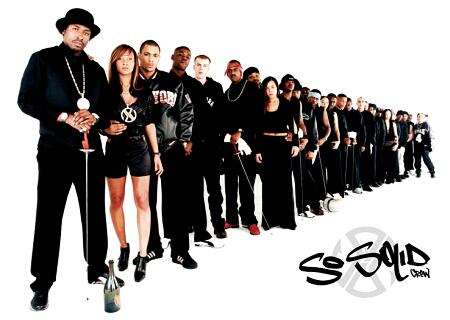
Reaching the parts other British urban acts couldn't - why So Solid represented a watershed for British music

Despite largely not being active as a collective for some years, So Solid continues to be name checked by current artists in the ‘urban’ music scene. The collective had a profound impact on today’s thriving urban music scene that sees such acts as established fixtures in the UK pop charts. So Solid clearly left their mark on the music scene beyond UK garage and its apparent successor Grime.

So Solid’s rise to prominence was somewhat unprecedented for a British urban act not from the RnB scene that mainstream audiences typically find more palatable. Before garage, urban British genres had become a voice and representation of multicultural Britain but typically reached a glass ceiling when it came to commercial success. Jungle had flirted with the mainstream charts with hits such as M Beat and General Levy’s Incredible and Roni Size and Goldie managed to take Drum & Bass beyond the underground. Going further back, it had been a similar story for other homegrown genres. The reggae infused genre of Lovers Rock brought a sound that reflected the identity of multicultural Britain and the second generation of post-war Caribbean immigrants. Songs like Janet Kay’s Silly Games and Louisa Marks’ Caught You in a Lie were able to capture mainstream attention. Yet despite the popularity of Lovers Rock, mainstream success was relatively limited.

Conversely, early UK hip hop, which some might consider to share similarities with garage, struggled to permeate the mainstream. Indeed, garage ultimately became what early UK hip hop sought to be. After an early identity crisis of British rappers adopting faux American accents, acts such as London Posse reflected inner city British life in records like How’s Life in London. Nonetheless, early UK hip hop was unable to step out of the shadow of its American counterpart. The slick videos, the arguably more radio-friendly production and major label marketing, was regarded by many in the UK as superior to anything that could be produced closer to home.

More significantly, UK audiences found it difficult to connect with early UK hip hop. Hearing rap in a British accent sounded alien and the images of UK rappers shared too much of a resemblance with American rappers for a meaningful distinction to be made. The clothes, the demeanour and in many cases the vernacular of many artists was just too American for many to embrace. The American twang still adopted by some rappers didn’t help either. Consequently, it added credence to the notion that rap, or rap influenced genres where an ‘MC’ would be the focus, could not be successful with a British accent.

Returning to garage, the more soulful side of the genre was able to experience crossover success with records like MJ Cole’s Sincere. But the smooth vocals and production of these records were sufficiently non-threatening to ensure they could make the transition from the then popular garage rave scene to mainstream radio. Meanwhile, So Solid and other garage collectives including Heartless Crew and Pay as U Go Cartel, were experiencing a burgeoning popularity with a grittier side of MC based garage. This would soon translate into mainstream success and be championed by British youth beyond the inner city communities in which the sound was born.

So Solid, and the garage collectives that followed, reflected inner city Britain in a way that had not been done before. Their image, vernacular and diction reflected that of inner city youth and their ethnically diverse membership portrayed a Britain where class lines had become more prevalent than race in drawing up communities. Indeed, the visuals of So Solid’s debut video Oh No (Sentimental Things) celebrated the garage scene and captured inner city London at the time. Even the production of their music had a London-esque sound to it. Their Britishness was according to how they and inner city British youth had defined it.

There was also the unpolished image of So Solid that led to their credibility. Some members of the collective were more media savvy than others but overall there wasn’t anything manufactured about the collective.
Like most garage collectives of the time, So Solid’s earlier music didn’t seek the lyricism or messages present in hip hop. With few exceptions, their lyrics were superficial, often repetitive and club-friendly. But that didn’t matter to their success and if anything, it made them more accessible to mainstream audiences. Their videos also matched the quality and hype of those made by American urban acts. Videos like 21 Seconds and Ride Wid Us were as glossy as those made by the Americans but the braggadocio they displayed had something British about it. Gradually, even mainstream media wanted to know about the sprawling “crew” that was So Solid.

Again breaking away from American notions of urban music, So Solid looked to Jamaican-influenced sound systems and sound clashes as the format for their own Garage Delight club night. Led by Megaman, the collective also exuded a confidence that didn’t portray them as second-rate wannabe American rappers.

The connection So Solid was able to establish with British youth was central to their success. Inner city youth identified with them and with that endorsement, their popularity grew. Garage brought British youth their own sound but So Solid gave it a persona that they could identify with beyond music. This marked a departure from the idolising of American music that British youth could not identify with yet steadfastly championed often over British urban music.

It’s arguable that had it not been So Solid, another collective would have had the same impact had they come along at the same time. Indeed, So Solid was a product of Britain at the time and a response to British youth seeking a sound and accompanying scene of their own. Nonetheless, So Solid seemed to tick all the boxes in achieving that and their success speaks for itself. Where Heartless Crew further reflected the sound system influence on garage and Pay as U Go Cartel and other East London collectives had a grittier sound that would become the forerunner of Grime, So Solid seemed to strike the balance for success that would transcend the garage scene.

Since the garage scene’s heyday, hearing an MC with a British accent no longer sounds out of place and even a hint of an American accent from a British rapper or MC is reproached. The credibility now lies with homegrown acts and American acts are no longer placed on a pedestal above their UK peers.

Despite the controversy they faced, So Solid represented a watershed for British urban music. The garage scene as a whole was instrumental in bringing about the shift but So Solid were arguably at the helm. While they may not have been everyone’s cup of tea musically, their impact is unquestionable and they arguably helped to create the British urban music scene that exists today.
SHARE:

Sunday, 23 October 2011

Why won’t hip hop let rappers age?


As a relatively young genre, hip hop’s elder statesmen (and women) are relatively young themselves; certainly young enough to not compromise their creativity or the extent to which they remain prolific. Yet in contrast to other genres, they are resigned to no longer being deemed relevant by the most recent generation of hip hop fans and generally celebrated in a historic rather than current context.

The Rolling Stones, U2 and Madonna are just a few artists from rock and pop that continue to be as relevant as they are creative and credible. They sell out world tours and consistently find themselves in the Forbes and Sunday Times rich lists for musicians. Yet within mainstream hip hop, and specifically with regard to rappers, an artist’s relevance often appears to dwindle with age.

As a wider culture, hip hop is generally opined to comprise music (rapping and DJing), street dance (‘breaking’, ‘b-boying’ or ‘breakdancing’) and street art (the origins of which lie in graffiti). The culture has rapidly grown for each aspect of hip hop to become highly visible within mainstream culture. The influence of hip hop music can be seen in most contemporary genres and elements of breaking can be seen in most contemporary dance. Hip hop inspired art has also permeated fashion, contemporary design and the traditional art scene. Paintings by artists such as Banksy are highly sought within the art community and a painting by Ben Eine was an official gift to Barrack Obama from David Cameron. Nonetheless, hip hop music has arguably achieved the most mainstream success from within the culture.

Hip hop has long been associated with youth culture. From an accessible form of expression to the parties where hip hop was birthed by DJ Kool Herc, hip hop and youth culture have often been considered inextricable. Yet as the musical genre gets older, so do its fans. Nonetheless, hip hop within the mainstream refuses to relinquish its youthful demeanour and rappers have largely followed suit.

Given the mainstream success of hip hop, it would be assumed that this would equate longevity in the careers of artists from within the genre. Yet rappers appear to experience a shelf life that commonly correlates with their age. Fans and the expectations within the scene itself appear to dictate this. Furthermore, many rappers themselves contribute to this oddity by often remaining in denial about their age via their image, persona and lyrical content.

If art imitates life, hip hop in the mainstream can often be considered an exception to the rule. From the video girls to the suggested opulent lifestyles depicted in lyrics and numerous music videos, many mainstream rappers are portraying an image that in many cases is a nothing more than an audio and on-screen persona. Similarly, the lyrics and image of a rapper in his or her 30s depicting the lifestyle and espousing the attitude and perspective of someone in their teens, presents just as much of a fallacy. In their refusal to reflect their maturity in their music and accompanying image, rappers are just as guilty in this charade.

Understandably, rappers seek to remain relevant and that can mean adapting for newer and younger audiences. Nonetheless, in alienating existing and mature fans and risking a lack of relevance with potential younger fans, it’s a high risk strategy if that reinvention goes too far and isn’t deemed organic.

There are notable exceptions of rappers within the mainstream who have managed to retain credibility while straddling mainstream relevance with mature sensibilities. Beyond his lyrical prowess, Jay-Z’s success into his early 40s has arguably been contributed to by the organic reflection of his own maturity in his content and image. Jay-Z was also one of the first artists to usher in a more mature sartorial style than had previously been seen in hip hop, boldly pronouncing “I don’t wear jerseys I’m 30 plus” on ‘What More Can I Say’ from The Black Album. Similarly, and of the same era, Nas has also achieved a similar success and longevity in remaining both credible and relevant without pandering to mainstream desires for what could be considered formulaic and superficial music.

Fans of hip hop have also been at fault. Compared to other genres, fans of mainstream hip hop are notoriously fickle. Where artists of other genres can experience a significant hiatus between projects, sometimes waiting several years between albums while their fans patiently await new music, few rappers are afforded that luxury within the mainstream. The biggest hip hop artist of the day can sell millions of albums and be a household name. But wait too long to release their subsequent project and many of those fans will cease to be interested. The need to remain relevant with the latest sound or fad therefore becomes even more pressing. While an artist like Dr Dre can wait over a decade between projects without any apparent loss of interest, not to mention being one of the older figures in mainstream hip hop, he remains one of very few artists that can achieve this due to his iconic status. Furthermore, it could be argued that his relevance is attained via his primary role as a producer.

Outside of the mainstream, many hip hop fans remain less capricious. Many so-called ‘old-school’ rappers, who rather than compromise their content and artistic integrity by youthfully reinventing themselves, have indeed experienced success outside of the mainstream. While they may no longer be visible in the pop charts, they can be assured of performing shows across the world and a fan base that celebrates their contribution to the culture.

Unlike other genres, younger hip hop fans appear less interested in artists of yesteryear. Rather than denoting classic music by artists of legendary status, the label ‘old school’ has become synonymous with irrelevance for many younger fans in the mainstream. It is therefore little wonder that so many rappers resist a mature persona in their quest to stay relevant to younger audiences.

Hip hop is still a relatively young genre. Yet it needs to evolve and mature with its fans while continuing to cater for new, younger audiences. Like other genres, there is no reason why hip hop cannot offer something for everyone within the mainstream rather than deciding rappers lose their relevance once they reach an age wrongly deemed too old to be credible. More established and older artists need not reject their maturity or comprise their integrity to remain relevant; artists such as Jay-Z and Nas have shown that credibility and relevance to a broad audience of all ages and within the mainstream isn’t exclusive to younger artists.

Just as hip hop culture should embrace its maturity, so should rappers and their fans. Moreover, if artists of other genres can continue to be relevant as they and their audiences mature, there is no reason hip hop should be any different.
SHARE:
© iamalaw

This site uses cookies from Google to deliver its services - Click here for information.

Blogger Template Created by pipdig